How Does Shot Distance Relate to Shooting Efficiency Among Paris Saint-Germain Players?
I have chosen the area of sports to conduct my research, more specifically looking at shots from the Paris Saint Germain soccer team in regards to the correlation between the distance of shots and the shooting efficiency of the psg players. The dataset includes average shot distance (Dist), total shots (Sh), shots on target (SoT), goals (Gls), and expected goals (xG) for individual players.
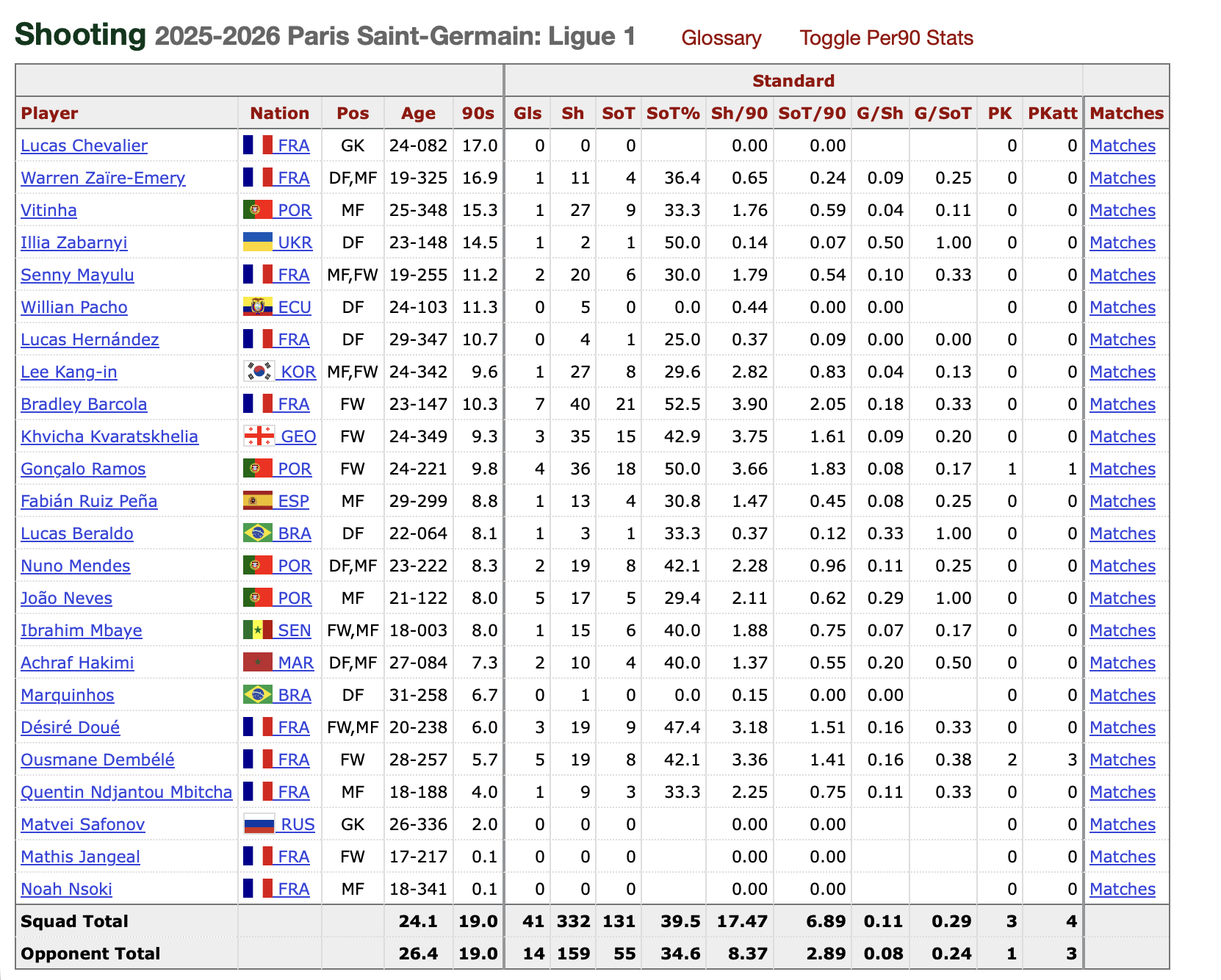
Firstly I notice a pattern in the data extracted from the information that players who shoot closer up are more efficient which would make sense as it makes targeting more achievable. Forwards such as Gonçalo Ramos who has an average shot distance of 13.4 yards and has produced 4 goals from 33 total shots. Bradley Barcola, with an average shot distance of 16.5 yards and Bradley Barcola generally taking shots from closer range are both responsible for a larger share of PSG’s goals and expected goals (xG), suggesting that proximity plays a major role in shooting success.
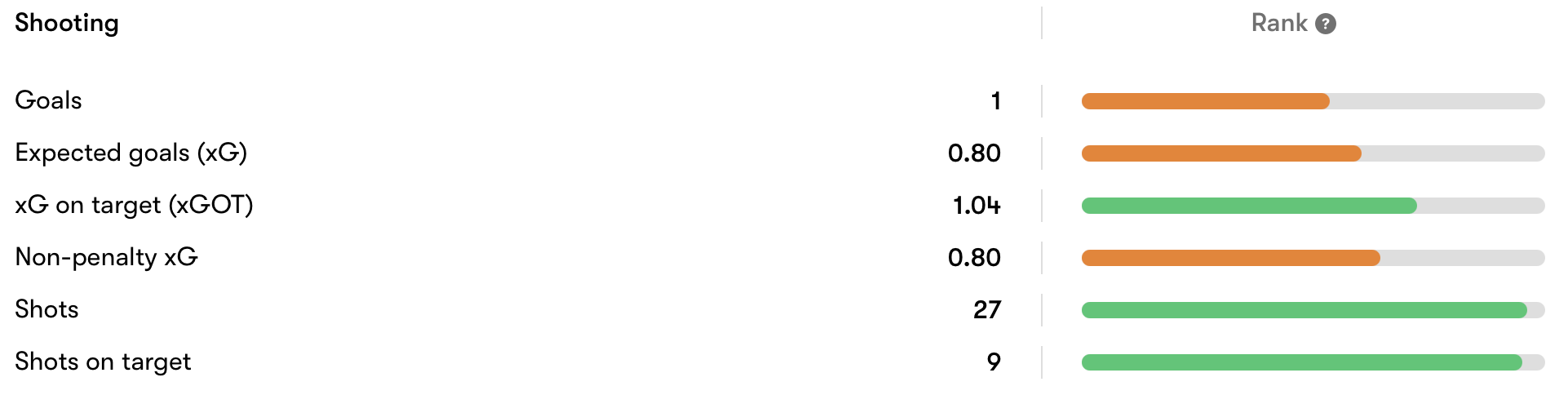
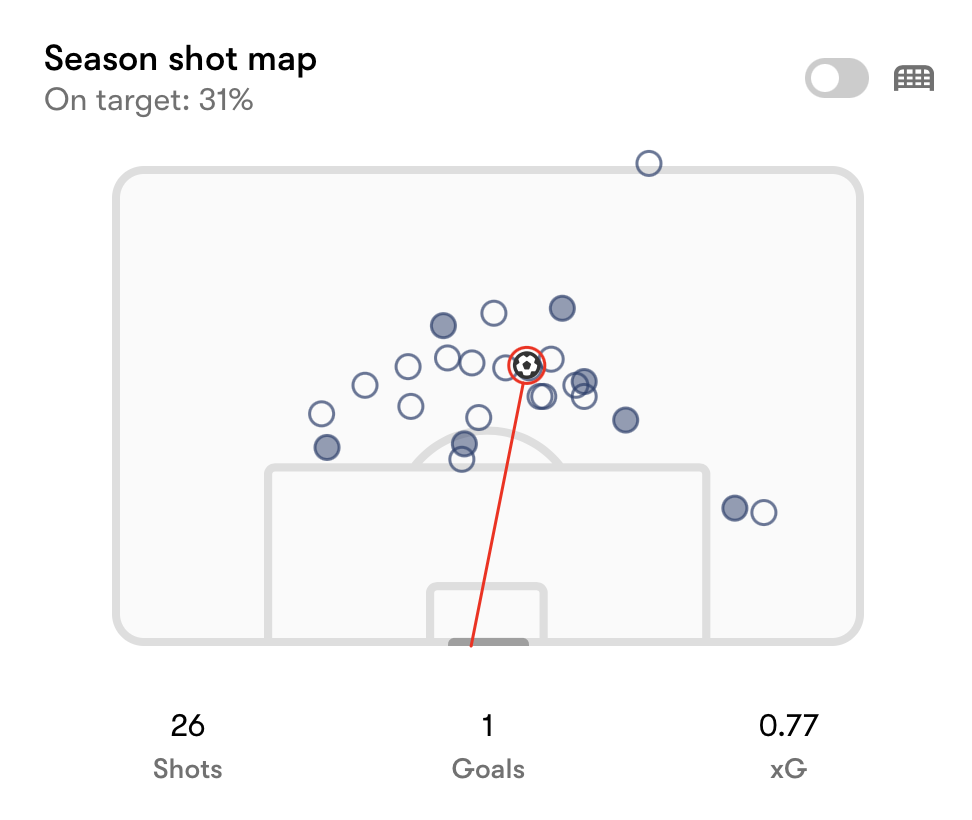
Midfielders have a position that, as we can deduct, requires them to stay a majority of the time in the center of the field making their shots harder and less effective as data proves. Midfield players like Vitinha whose average shot distance is 27 yards has higher average shot distances and contribute fewer goals (1 goal from 27 total shots) relative to their shot volume.--- Vitinha Seasons Stats ---
A major factor is seizing the right opportunities and finishing them with focus, not only distance. A player such as João Neves for instance, has scored 5 goals from 17 shots while generating 1.5 xG expected goals, appears to convert opportunities more efficiently than expected, which shows a better choice of shot compared to teammates.
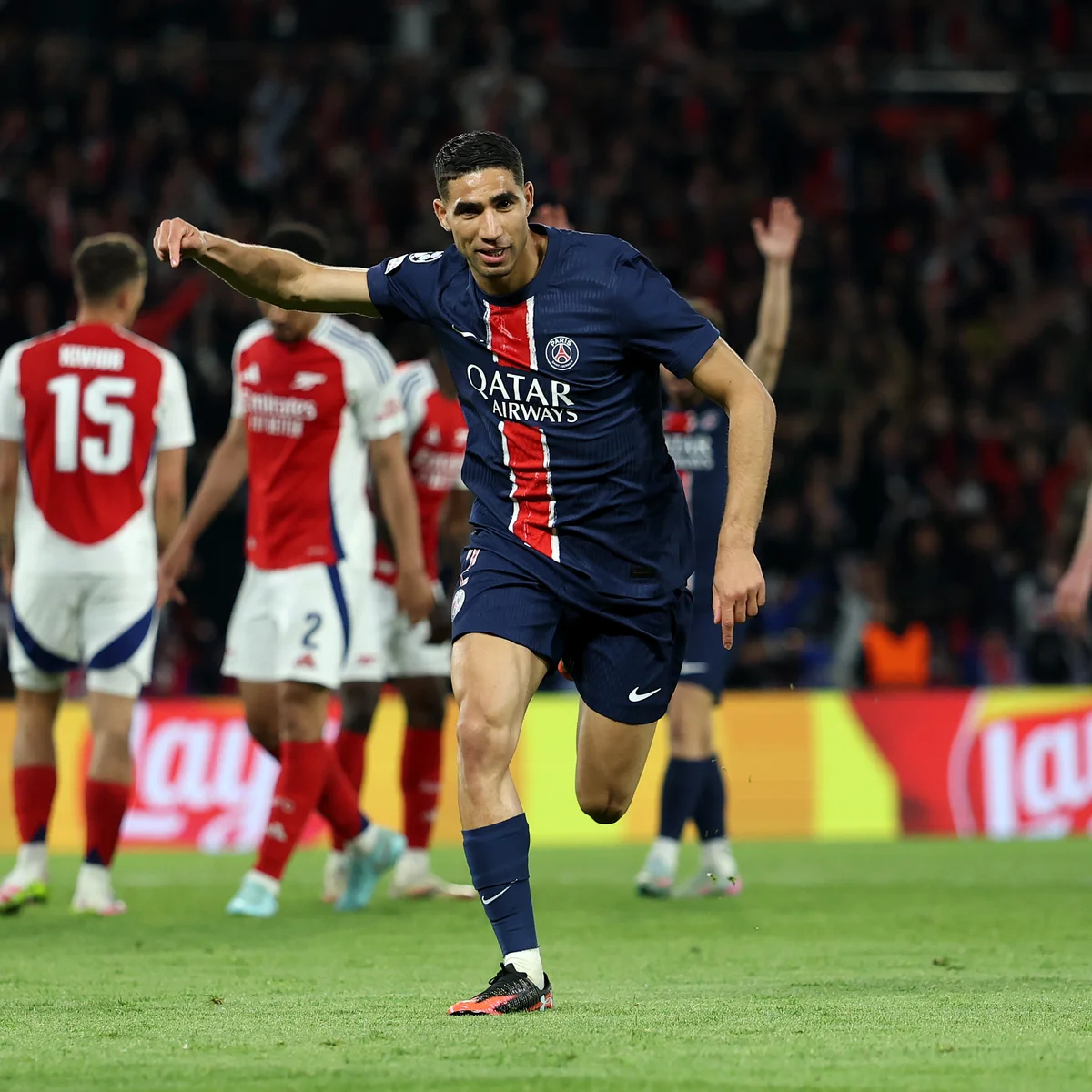
Defensive players contribute minimally to shooting from effective positions as their role positions them the furthest away from their goal as we can see with defenders like Achraf hakimi who has taken only 10 shots with an average shot distance of 22 yards.
Instead of training all attacking players similarly, shot-distance data could be used to tailor training. Players who naturally operate farther from goal could focus more on getting the right opportunities and timing, while players who have access to shorter distances to the goal could practice movement and positioning rather than volume shooting. Rather than discouraging long-distance shots entirely, teams could use the data to decide when they are tactically justified (late-game scenarios or against tight defenses), allowing for more intentional shot-taking. Changes in a player’s average shot distance over time could be tracked to evaluate development, such as whether a midfielder is evolving and getting to better scoring positions more often or improvements in spatial awareness in general.